A simple guide to driving Europe’s toll roads
Clear, practical help for drivers: where vignettes are required, how digital tolls work, and what to check before you cross a border.
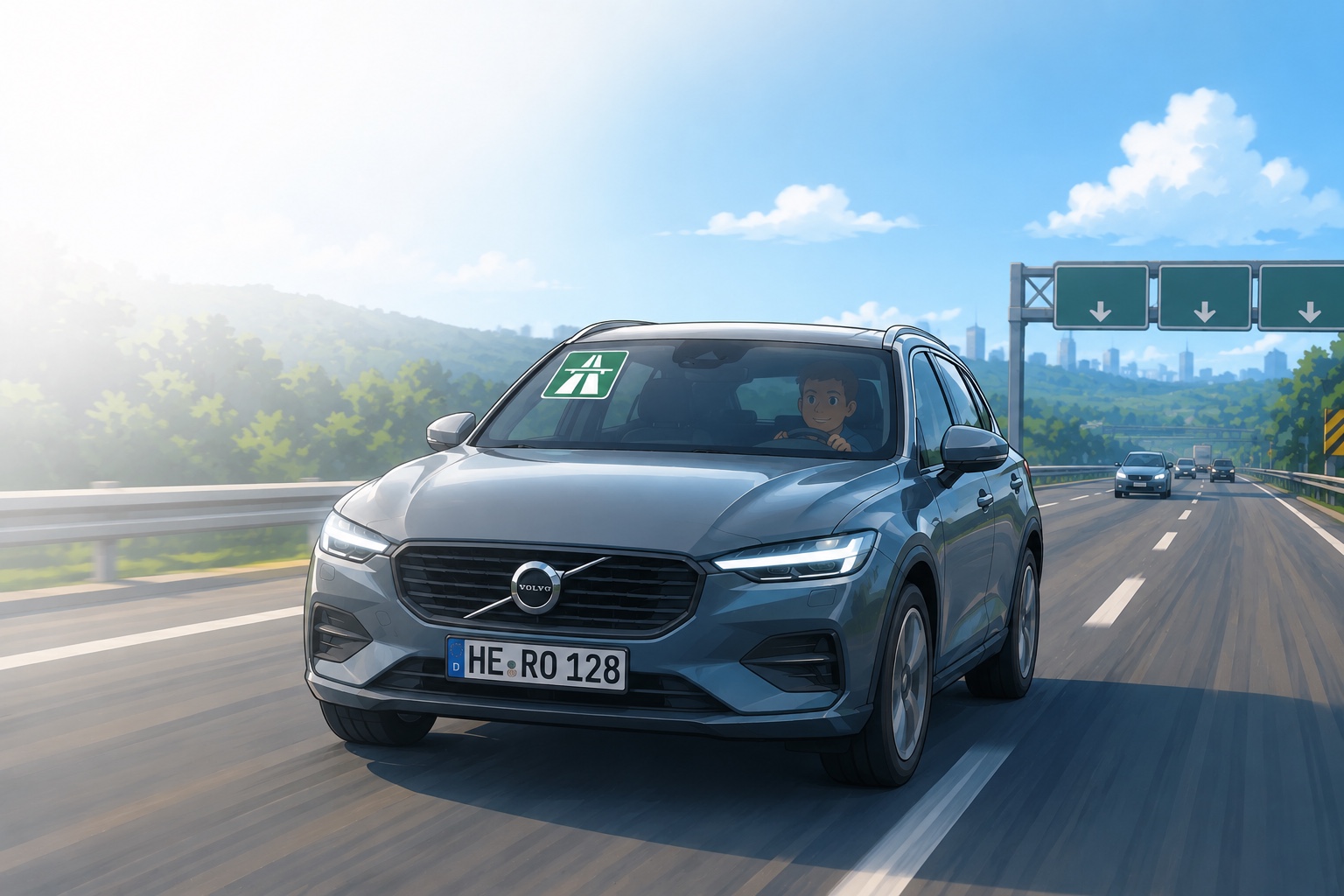
How European motorway vignettes work today
In much of Central and Eastern Europe, access to motorways and some expressways depends on a time-based vignette rather than a barrier toll at every ramp. The paper windshield sticker has largely given way to a digital registration linked to your number plate.
That means you buy online before you drive — or as soon as you enter the country — and enforcement is typically done with automatic number-plate recognition. There is nothing to stick on the glass, but the plate on the vehicle must match the vignette record.
Rules still differ by country: validity periods, motorcycle exemptions, section tolls (for example alpine tunnels), and start-date rules. Use the country pages below to see what applies where you are heading.
Practical guides before you drive
Short reads on vignettes, borders, and what to check so a toll camera is not your first surprise.
Digital vignettes vs windshield stickers
Why most Central European motorways now register your plate instead of a paper sticker — and what that means at the border.
Crossing into Switzerland with a car
Annual vignette rules, where coverage starts, and how Swiss motorway checks differ from neighbouring countries.
Choosing 10 days vs a longer vignette
A simple way to match trip length to validity periods in Austria, Hungary, Czechia and beyond.
How vignette fines usually happen
Camera enforcement, wrong start dates, and plate typos — the mistakes that turn a cheap vignette into an expensive letter.
Choose the country you want to travel to
Open a country guide for coverage, periods, and what drivers usually need to know before they set off.








What happens if you drive without a vignette
Driving on a vignette-required road without a valid registration is treated as toll evasion in most countries. Fines are issued after camera checks or roadside controls and can be several times the cost of a short-term vignette.
Amounts and procedures vary — Austria, Hungary, Czechia, Slovakia, Slovenia, Romania, Bulgaria and Switzerland each have their own tariff and appeal path — but the pattern is the same: the plate is checked against the operator database, often with little room for “I didn’t know.”
The practical takeaway is simple: confirm whether your route uses vignette roads, buy or activate coverage before the first charged kilometre, and double-check the plate spelling and start date. A few minutes of preparation is far cheaper than a fine letter weeks later.
Frequently asked questions
Do I need a vignette on every European motorway?
No. Many countries use barrier tolls or distance-based charging instead. Vignette systems are common in Central and Eastern Europe — for example Austria, Hungary, Czechia, Slovakia, Slovenia, Romania, Bulgaria and Switzerland. Check the country pages for the route you plan to drive.
Is a digital e-vignette linked to my license plate?
Yes. Modern e-vignettes are registered to the plate (and sometimes vehicle category), not stuck on the windshield. Enforcement cameras match plates against the operator database, so the plate on the car must match the purchase exactly.
When should I buy or activate coverage?
Before you drive onto a vignette-required road. Some operators allow a future start date; others activate from purchase. Leaving it until the first camera can mean a fine even if you intended to buy later.
What happens if I drive without a valid vignette?
Toll evasion fines are typically much higher than a short-term vignette. Amounts and appeal processes differ by country, but camera or roadside checks are common and “I didn’t know” rarely helps.
Can motorcycles use the same vignette as cars?
Rules vary. Some countries exempt motorcycles, others sell a motorcycle category, and a few use the same product. Always confirm the vehicle category on the country guide before you buy.
Are alpine tunnels covered by a national vignette?
Not always. In Austria, for example, some tunnels and sections need a separate section toll even if you already have a motorway vignette. Country guides note these extras where they matter.
Is Vignetton the official national toll operator?
No. Vignetton is an independent guide and intermediary service. Official vignettes are issued by national operators; where you order through us, our service fee is included in the displayed price.
Vignetton is an independent guide and service that helps drivers understand and purchase official e-vignettes for European motorways. We are not affiliated with ASFINAG, DARS, CNAIR, NDS or any other national toll road operator. Where a purchase is made through us, our service fee is included in the displayed price.